
AFRICA’S GREAT ELEPHANT: too many – or too few
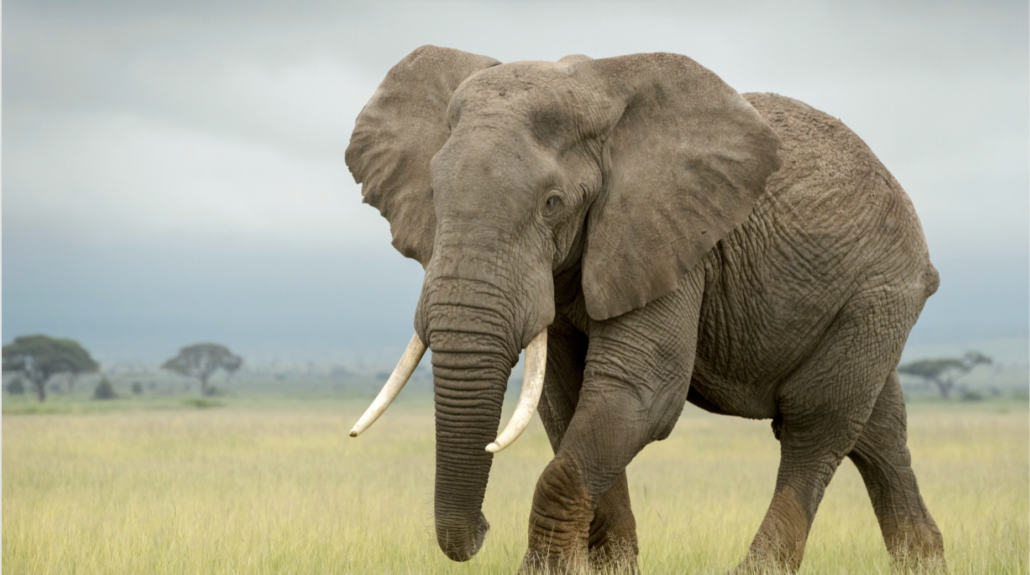
Africa’s elephants tell two very different stories. In some regions, they are vanishing; in others, growing populations are creating new challenges. This divide highlights both the fragility of conservation and its unintended consequences.
In South Sudan, elephant populations have collapsed. In the 1970s, aerial surveys estimated more than 130,000 elephants in the region. Today, only a small fraction remain. In Badingilo National Park, sightings are rare. One of the last known elephants, a lone bull tracked by GPS, even moved alongside giraffes—an unusual sign of isolation.
Decades of conflict, poverty, and poaching have driven this decline. For many local communities, survival comes first. Hunting elephants can provide food or income, even if it accelerates their disappearance. Conservationists face a harsh reality: protecting wildlife is nearly impossible when people lack basic needs. Various organisations aim to restore and manage protected landscapes, but the scale of the challenge is immense. Tragically, reports later confirmed that Badingilo’s last elephant had been killed by poachers.
Further south, however, populations have rebounded, especially around the Kavango Zambezi Transfrontier Conservation Area. Countries like Zimbabwe now face overpopulation in certain areas. In Hwange National Park, tens of thousands of elephants gather during the dry season—far more than the land can sustain. As they search for food and water, elephants increasingly come into contact with nearby communities. Crops are destroyed, homes threatened, and in some cases, people are killed. For residents, elephants are not just symbols of wildlife—they can be a daily danger. Climate change and prolonged droughts worsen the pressure, forcing elephants to travel further into human settlements.
Governments and conservationists are divided on solutions. Options include culling, relocation, fencing, or regulated hunting to fund conservation. Each approach is controversial. Some local communities support population control, while international observers often oppose it. Meanwhile, conservation funding cuts make large-scale interventions increasingly difficult to implement.
Smaller-scale solutions—like chilli-based deterrents or electric fencing—help reduce conflict, but do not address the underlying issue: elephants need space, and their natural migration routes are shrinking. Expanding human settlements, agriculture, and infrastructure continue to fragment habitats, making long-term coexistence more difficult.
Across Africa, the contrast is stark. In one region, elephants are disappearing; in another, they are struggling to coexist with humans. Yet both situations highlight the same truth: conservation is complex, and there is no single solution. Protecting elephants requires balancing ecosystems with human needs—because without that balance, both people and wildlife will continue to suffer.
Source: The Guardian