
Youngest dinosaur tracks discovered in Southern Africa
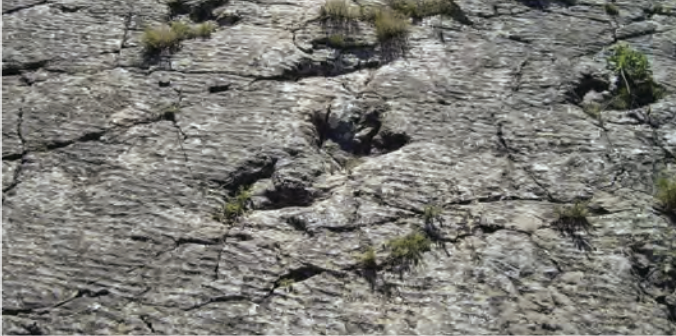
A team of ichnologists has discovered 132-million-year-old dinosaur tracks in Knysna, South Africa, making them the youngest dinosaur footprints ever recorded in the region. Found along the Western Cape coastline in early 2025, these tracks date back to the Early Cretaceous period and offer a rare glimpse into a time from which very few local fossils remain. The discovery was made at a small, 40-meter-long exposure known as the Brenton Formation.
This site is particularly unique as it is often submerged by high tides. Despite its small size, researchers identified more than two dozen tracks, suggesting a significant dinosaur presence in the area during the Cretaceous era.
These findings are approximately 50 million years younger than the famous tracks found in the interior Karoo Basin, bridging a massive gap in South Africa’s paleontological record.
According to the research team, which includes experts such as Charles Helm, the tracks were left by a diverse group of dinosaurs. These include bipedal, carnivorous theropods and potentially large, long-necked herbivorous sauropods or ornithopods. The tracks were preserved in what would have been an ancient estuarine environment, with dinosaurs walking along tidal channels and river beaches—a stark contrast to the modern Knysna estuary landscape.
Before this discovery and a similar 140-million-year-old find reported earlier in 2025, the region’s dinosaur fossil record appeared to end abruptly around 180 million years ago due to massive volcanic eruptions. These new findings prove that dinosaurs thrived in Southern Africa much longer than previously believed.The Knysna tracks are significant not only for their age but also their location in the Western Cape, where dinosaur skeletal remains are extremely rare.
Scientists believe this discovery highlights the potential for finding further evidence of prehistoric life in other Cretaceous rock outcrops along the coast, encouraging a new era of systematic research in the region.
Source: The South African