
When the Gut Runs Low: Fatigue, Mood, and the Aftermath of the Festive Season
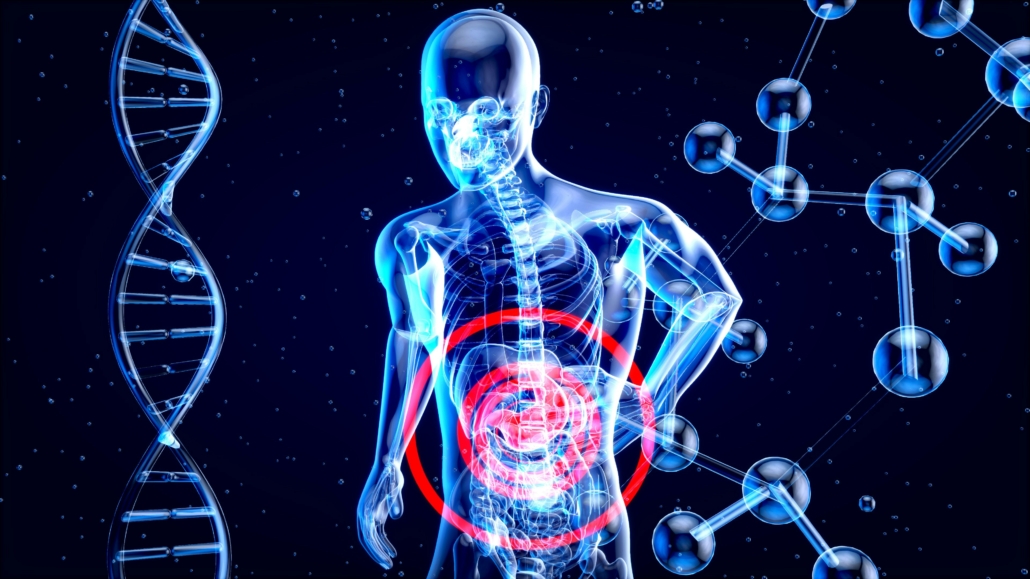
In the December 2025 edition of The Post, this column introduced the idea that our gut is not just about digestion, but about balance — a finely tuned internal ecosystem that quietly influences immunity, energy, and mental wellbeing.
As promised, this month we begin exploring specific conditions linked to gut imbalance.
A good place to start is with two of the most common and least understood complaints seen after the festive season: persistent fatigue and low mood.
By February, many Garden Route residents and returning visitors feel unexpectedly flat. The holidays may be over, but tiredness lingers. Motivation dips. Sleep feels unrefreshing. While stress, disrupted routines, and indulgent eating are often blamed, research increasingly points to the gut microbiome as a key player.
Energy Begins in the Gut
A healthy gut microbiome helps extract energy from food and produces vital compounds such as short-chain fatty acids and B-vitamins. These substances support mitochondrial function — the process by which our cells generate energy. When the gut falls into dysbiosis, energy production becomes less efficient. The result is not dramatic exhaustion, but a steady, nagging fatigue that rest alone does not fix.
Festive diets low in fibre and high in sugar and alcohol can reduce beneficial bacteria while encouraging inflammatory species. Add disrupted sleep and stress from busy households or crowded holiday spaces, and the gut’s energy-supporting role is compromised.
Mood, Stress, and the Gut–Brain Conversation
The gut and brain are in constant communication. In fact, much of the body’s serotonin — a neurotransmitter linked to mood and calm — is influenced by gut microbes. Certain bacteria also help regulate inflammation and stress hormones. When gut balance is disturbed, low-grade inflammation may increase, subtly affecting mood, focus, and emotional resilience.
This helps explain why anxiety, irritability, and low mood often follow periods of dietary excess or prolonged stress, even when life appears to be “back to normal.”
Restoring Balance Gently
The encouraging news is that the gut is remarkably responsive. Supporting recovery does not require extremes. A return to regular meals, fibre-rich foods, adequate hydration, sunlight, movement, and proper rest can help restore microbial balance.
Think of it as giving your internal ecosystem the same care you’d give a tired garden after a busy summer. n upcoming months, this column will continue exploring other conditions linked to gut imbalance — including inflammation, immune health, and metabolic resilience — and how restoring eubiosis can support genuine, lasting wellbeing.
Further reading: Khalil M. et al., “Unraveling the Role of the Human Gut Microbiome in Health and Diseases”, Microorganisms (2024). Available online via MDPI.