
Energy efficiency
Our world is in trouble – past decades prioritised dependence on energy consumption in developments and daily life, not considering that the different energy sources are finite – we depend on natural resources such as fossil fuels, coal or natural gas to fuel our everyday life. Whether it is paraffin for cooking food, electricity to keep our businesses (our entire economy, in fact) going, petrol or diesel to keep the transport industry on track or natural gas to replace any of the above resources, our world relies on energy.
And we forget that these resources are not unlimited. Coal and natural gas reserves can be depleted, power stations can reach the end of their lifespan, technologies can become outdated or undesirable – South Africa’s fleet of coal power stations is a shining (pun intended) example of this phenomenon. One only has to look at all the awareness campaigns to realise that our planet is in trouble – we have International Day of Clean Energy (which was commemorated on 26 January), World Energy Day (14 February) and World Efficiency Day – coming up on 6 March…
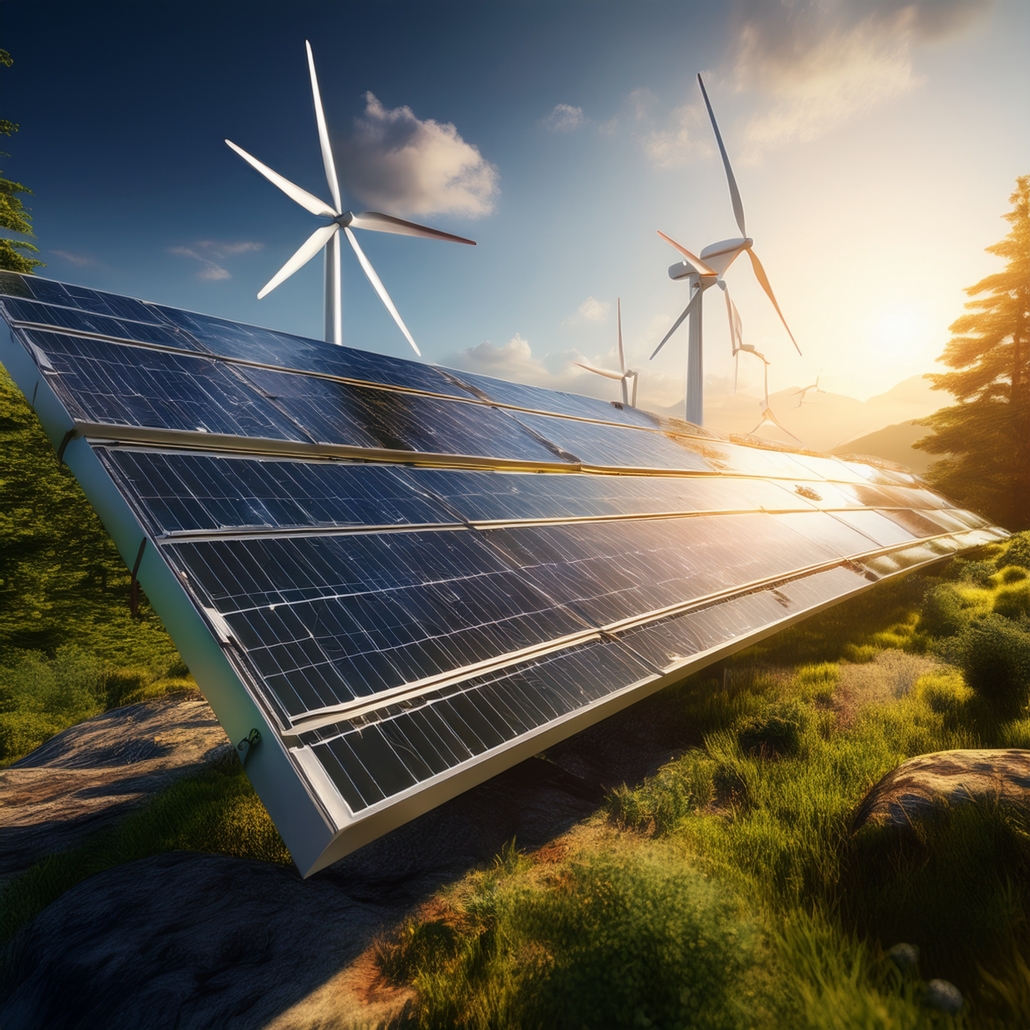
We pride ourselves in the development of alternative ways to generate electricity – wind, wave or solar technology – but these technologies impose additional demands on other industries: we still require materials to construct the alternative installations – requiring steel, aluminum, transportation to ensure the materials are at the place of installation, using precious land to occupy the installations. This creates a cycle of dependency on natural resources steel manufacturing and transport also contribute to air pollution and a loss of natural resources – we are back to square one.
What would be a viable solution to these challenges?
There is no easy answer and we always come back to the fact that everything revolves around a delicate balance. The challenge is to identify and maintain that balance. This challenge is reflected in the theme for this year – Accelerating a Just and Inclusive Clean Energy Transition – acknowledging that while renewable and sustainable energy sources are urgently need, only a few entities benefit from energy efficiency initiatives while a vast majority of the global population lacks access to energy resources. There is unanimous acceptance of an urgent need to shift toward renewable, sustainable energy sources, while ensuring this transition is affordable, secure and accessible for everyone. Key concepts include enhanced technology and reduced consumption.
And finally we identified a way to maintain the balance – identification and implementation of ways to reduce our energy demand and dependency – we need to look at reducing energy consumption when designing buildings, plan transportation, utilise energy-efficient equipment and simply planning our consumption – because by implementing these initiatives, we reduce carbon pollution and also improve energy security – plan and save today, so that there is resources available for future generations.