
I’ll Only Be 5 Minutes
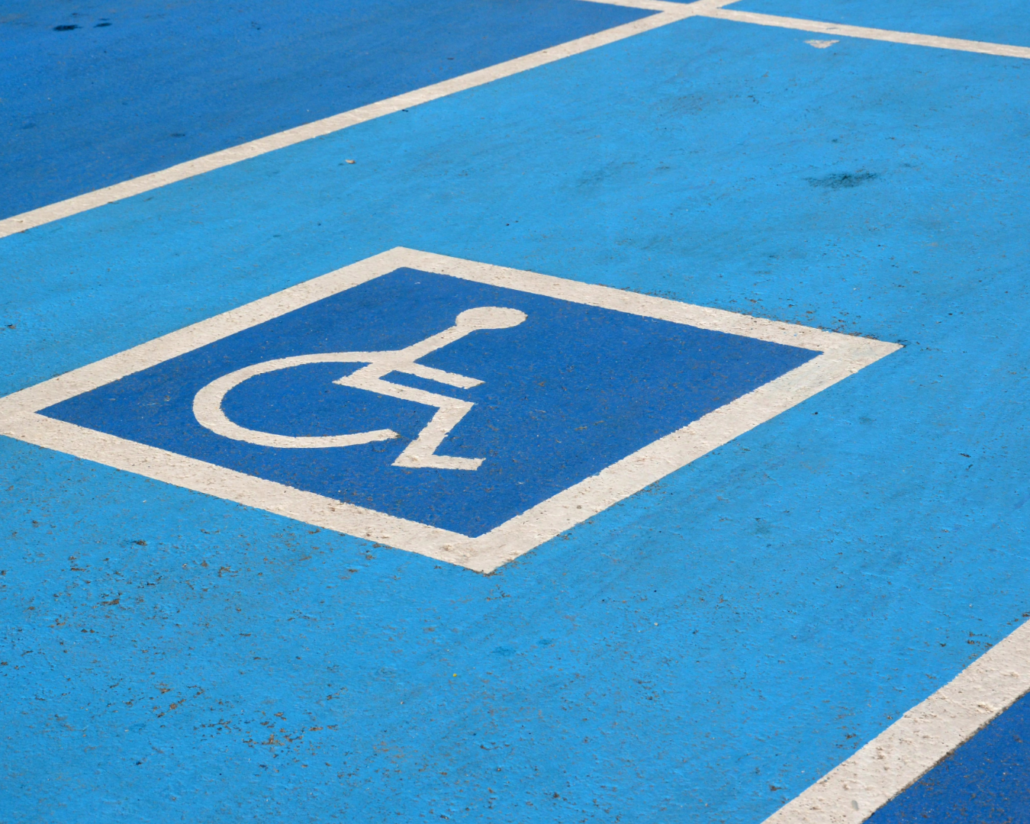
“I’ll only be five minutes”, is one of the most common justifications for occupying a disabled parking bay without the right or need to do so. A phrase so casual, so dismissive, it reveals exactly how little thought is given to the people these spaces are meant for.
Disabled parking is not about convenience; it is about access. It is the difference between participation and exclusion. For someone with limited mobility, chronic pain, or reliance on assistive devices, an extra 20 meters is not an inconvenience it can be the barrier that turns a simple outing into an ordeal, or cancels it entirely.
Of course, not all disabilities are visible, this truth matters. We should not become a society that polices strangers based on appearances alone. Invisible conditions such as neurological, cardiac, autoimmune and chronic fatigue complications are real and often debilitating. But let’s be honest, laziness and entitlement are not disabilities or illnesses yet too often these are the real drivers behind the misuse of set dedicated spaces.
“I’ll be quick.” “There were no other spots.” “I just need to run in.” Each one assumes that the rules and conditions apply but just not right now and not to me. It’s a quiet form of selfishness dressed up as practicality. Simply you are not the centre of the universe, others are present, you merely choosing your immediacy over the acknowledgement of their existence.
This subject raises a broader question, is general old age a disability? Ageing can bring genuine mobility challenges, and many elderly individuals do require easier access. But if society recognizes that need, then perhaps the answer is not to blur the purpose of disabled bays, but to rethink parking design altogether and create additional, appropriate spaces that respect different needs without compromising essential access.
Disabled parking should not be tokenistic. It must be functional, wide enough for wheelchairs, positioned for safe entry and exit, and available when needed. When those bays are on sloped gradients or occupied by someone who simply didn’t feel like walking, they cease to serve their purpose entirely.
The hard truth is that the misuse of disabled parking is not a small, harmless act. It is a far to common decision to prioritize personal convenience over someone else’s basic access. It perhaps speaks to something deeper, we reside in society increasingly comfortable in excusing selfishness whilst inconveniencing those in need of consideration, so long as it’s quick, easy, and “only just for five minutes.”