
Together for Science for Health
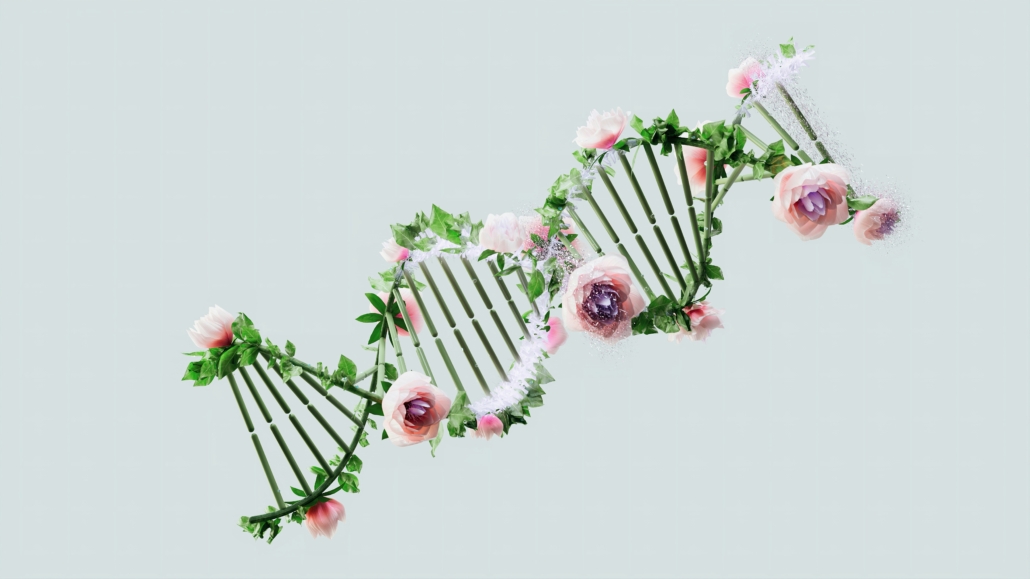
It is no secret that various factors associated with human interventions pose a risk to health.
And we ask ourselves – what does science and health have in common?
The answer is basically everything.
Through the ages scientific collaboration strived to (and succeeded to) protect and improve the health of people, animals, plants and the planet. And in the process improved lives.
Let’s take a trip down history to demonstrate this statement: Think about deadly diseases of the past, where scientists collaborated to improve living conditions – some of these interventions now seem trivial to us: recommendations to take regular baths in order to improve personal hygiene and in the process extended life expectancy, the importance to wash hands regularly, improved water treatment processes such as adding fluoride to water to improve dental health, the benefits of iodising salt, identification of causes of the Black Plague, illnesses such as polio, smallpox and measles.
Recommended lifestyle changes to reduce cardiovascular diseases, HIV/AIDS, interventions to reduce malaria mortalities, identify the causes of the various strands of SARS viruses, introduction of various technological, digital and therapeutic interventions such as telemedicine, smart watches and fitness devices, mental health therapies and virtual health training. Whenever humanity’s health was threatened, the world turned to the scientists for answers or the scientific community showed up to provide suggestions, evidence and solutions.
The more important link that people often lose sight of, is the link between the natural environment and health – if our water and air are clean, the soils, plants and animals are healthy, which in turn means our food is healthy and people gain the most nutrition from their food, which in turn results in healthier individuals, with stronger immune systems and eventually healthy communities.
Which brings us back to the inescapable truth – maintain nature’s delicate balance – because the moment that one component of that delicate balance is disturbed, the various components become unhinged and slowly, very surely and very definitely, people will bear the consequences. The results may not be evident immediately, sometimes the changes are not even discernable. But Mother Nature is patient and willing to lie in wait to get her revenge. And she will do everything she can to restore her balance … the question remains, will humanity be able to afford the price to restore this balance.
Very often there is a price tag attached with the proposed solutions, whether it entails the high cost to produce a cure, a vaccination, obtain a device, subscribe to a service.
But there are incidents where preventative measures do not cost much – use resources sparingly, be thoughtful of the impact of your endeavours on the plants, animal, soil and air in your vicinity, think what you are discharging into the environment, don’t litter, prevent waste or re-use and recycle products used.
Sometimes it is as simple as laugh often, because it improves your health. And that is free.
So, when the scientists (and this include the environmentalists) warn against an impeding danger, highlight the destruction of a plant or animal species, it is already late in the day and the alarm bells are already in ringing.
Just in the past five years, the IUCN declared 310 species as extinct or extinct in the wild. Gone forever. As a result of the threats to their habitats, poaching and climate change. All due to human activity.
Therefore, remember that when you care for the environment, you are ensuring your own and future generations’ health … you are reducing your medical expenses, improving your financial stability, stabilising your future prospects.
The truth remains – healthy people are happy people. And happy people live longer and enjoy a better quality of life ..