
Creativity and the Brain
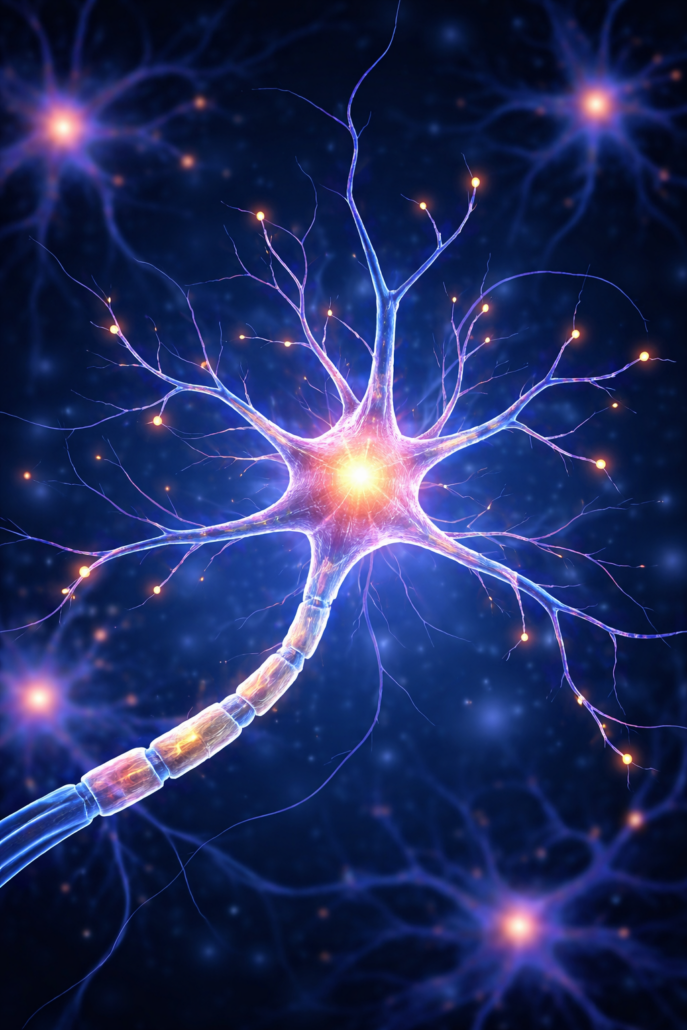
Creativity can feel mysterious or even magical. It is often described as a spark or a burst of imagination, yet this does not tell the entire story. Original ideas do not emerge out of thin air. Instead, creativity involves an intricate series of brain mechanisms, with different parts of the brain contributing different advantages.
When we understand these mechanisms, we can actively pursue creativity in all its forms. There are many ways to boost creativity, but it can be difficult to know where to start. Neuroscience can help by revealing not only which mental processes support creativity, but also how these processes can be improved over time. Each person’s creativity is influenced by a stream of past experiences and perceptions, combined with intelligence and skill. For the brain to be creative, different networks of neurons need to work together to help generate something new. The prefrontal cortex is the part of the brain that makes sense of the information we take in through our senses. Over time, the brain builds a large bank of assumptions and perceptions, starting in childhood, which helps it decide how to respond to new information. This network can act both as a constraint and as a form of safety.
Memory also plays a major role in creativity. It offers a wealth of inspiration from which creative thinkers can draw. Research shows that several types of memory can boost creativity, even when those memories seem mundane or uninspiring to the individual. Divergent thinking is the process of connecting new ideas with memories and emotions that already exist.
This part of the creative process brings the brain into a state of curiosity — a relaxed, daydreaming state. In this state, working memory helps when a clear answer is within reach, while visual and verbal creativity uncover glimpses of inspiration through long-term memory systems.Although creative ideas can sometimes feel like sudden bursts of inspiration, they do not have to appear randomly.
Daily habits can encourage creativity, making it more of a way of life than a rare event. Activities such as mindfulness and meditation can enhance cognitive flow.Exercise increases oxygen in the blood, supporting a healthier brain.
Creating a workspace that sparks imagination, brainstorming ideas, and reframing problems to see them from new perspectives are simple ways to strengthen creative thinking.