
BEFORE THE BILL ARRIVES
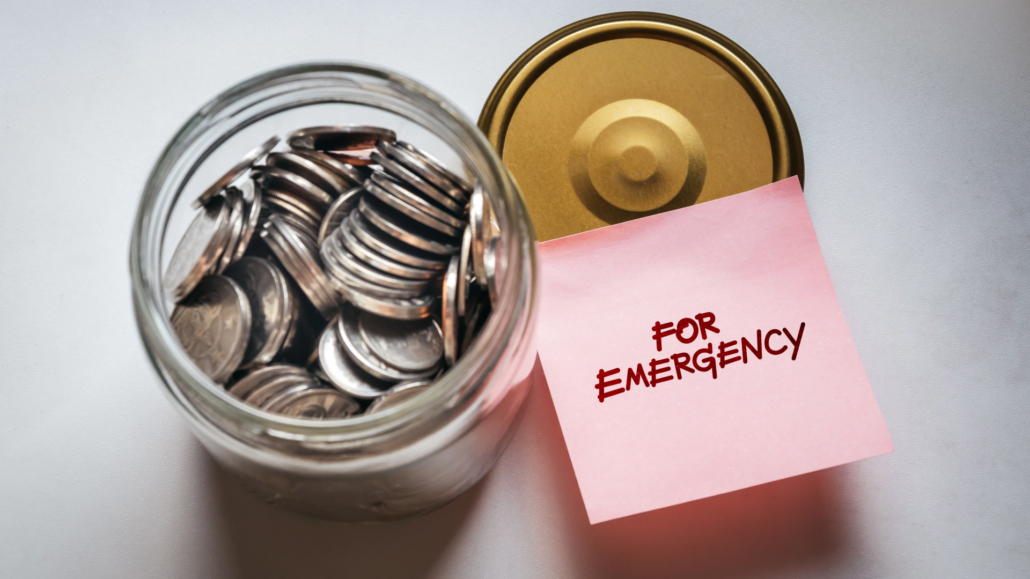
Most financial emergencies are not truly unexpected. Cars eventually need repairs, appliances break and medical expenses appear. We may not know exactly when these costs will arrive, but we know that something eventually will. Without savings, one unplanned expense can quickly become expensive debt through interest and additional fees.
An emergency fund turns a crisis into an inconvenience. It does not need to begin with a large amount. Saving a small, regular sum creates a financial cushion over time. The purpose is not to predict every problem, but to ensure that the next surprise does not completely disturb your budget.
The best place for emergency savings is somewhere safe and easily accessible, but separate from everyday spending money. Keeping it in another account can reduce the temptation to use it for ordinary purchases. Setting up an automatic transfer shortly after payday can also make saving easier and more consistent.
The amount you need will depend on your income, responsibilities and regular expenses. What matters most is beginning. Even a modest emergency fund can reduce stress, limit dependence on credit and provide time to make better decisions when something goes wrong.
Source: Consumer Financial Protection Bureau