
WHY FIREFLIES ARE DISAPPEARING
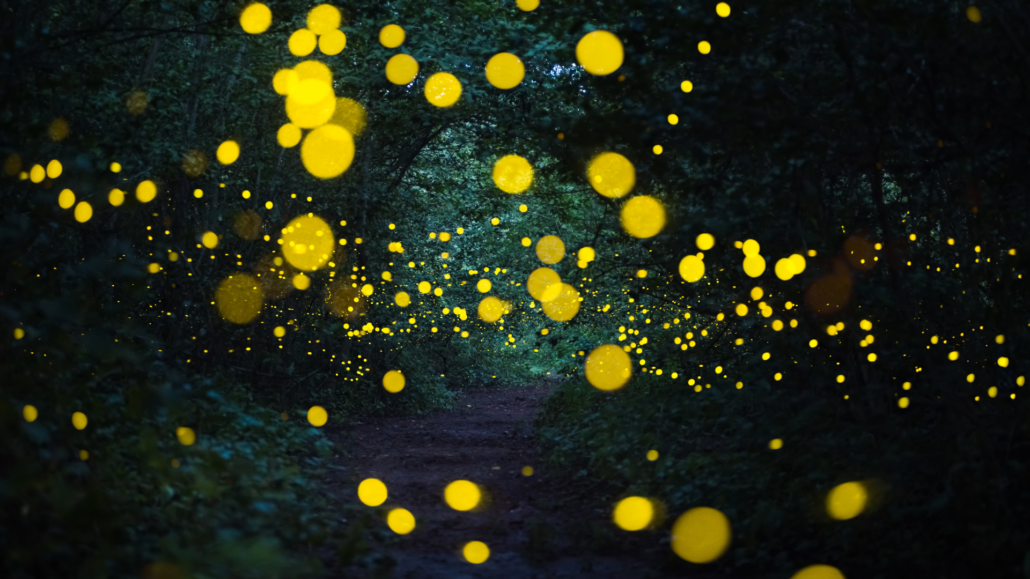
For generations, fireflies have transformed warm evenings into natural light shows. Their glow comes from a chemical reaction inside their bodies. These flashes help them find mates, communicate and warn predators. However, these remarkable insects are becoming less common in many parts of the world. Without intervention, future generations may never experience evenings illuminated by their glow.
Habitat loss, pesticides and artificial lighting are among their greatest threats. Fireflies rely on darkness to see one another’s signals. Bright outdoor lights can overpower their flashes and make reproduction difficult. Their larvae also need damp soil, fallen leaves and undisturbed vegetation to survive.
Clearing natural ground cover can destroy their habitat before they become adults.
Ordinary gardens can provide valuable shelter. Reducing outdoor lighting, avoiding unnecessary pesticides and leaving small areas of leaves or longer grass undisturbed may help. Protecting fireflies reminds us that even the smallest changes at home can help preserve one of nature’s most magical displays.
Source: U.S. Fish & Wildlife Service