
PREPARED FOR DISASTER
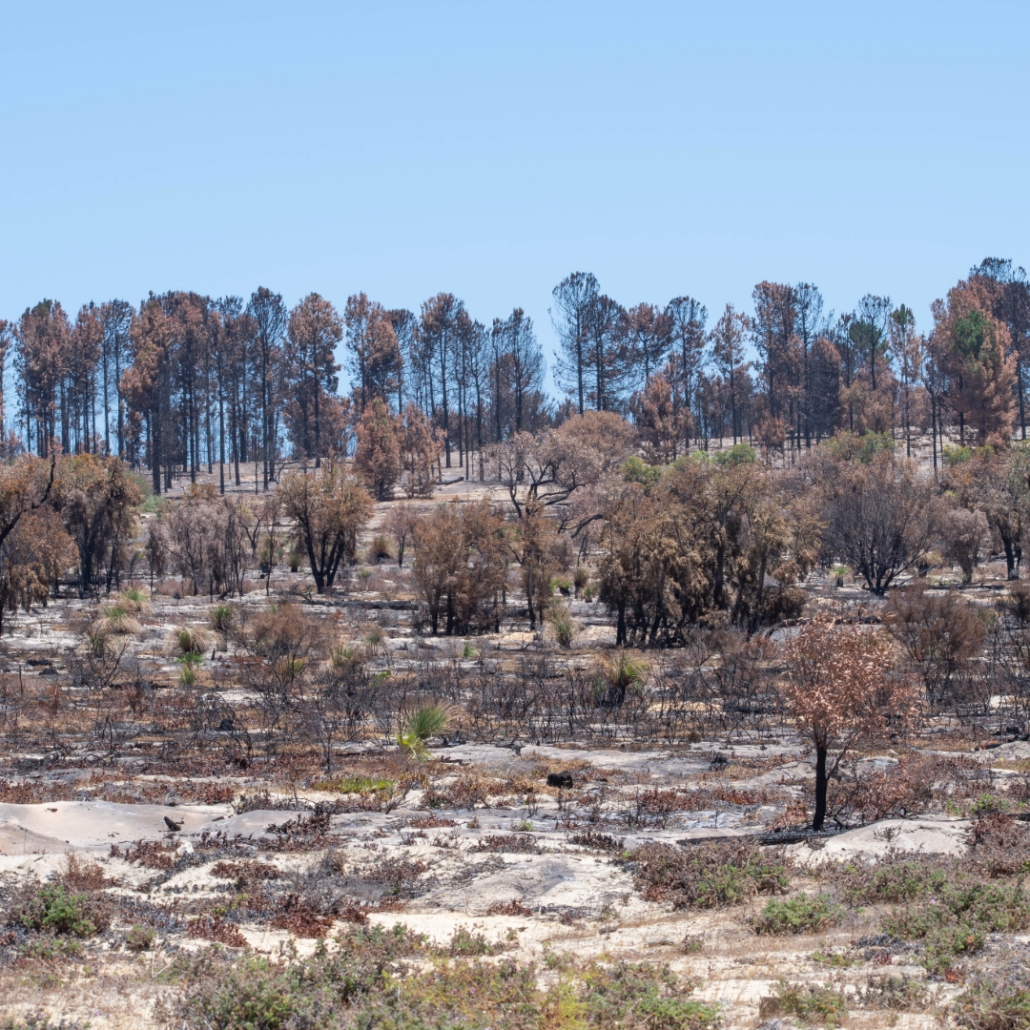
Natural disasters are a reality – just in the past year we are aware of droughts, earthquakes, the devastating mudslide and associated floods in Nepal, South America and parts of Europe.
Earlier this year we experienced significant storm damage very close to home, with a closed Meiringspoort and a cumbersome detour over the Swartberg Pass, realities we still face. And if we are to believe the forecasts, we have to brace ourselves for more …
Preparation for disasters is an internationally recognised practice, necessitated by the rising cost of disasters, whether they are associated with the impacts of climate change, poor development choices, natural events, extreme weather or risk-blind planning.
Apart from the impact on people and animals and the loss of infrastructure, disaster events have a significant financial impact that continues for a considerable time after the event. According to the United Nations’ 2025 estimates, direct disaster costs reach around $202 billion annually and, if the broader economic impact is considered, this amount rises to an estimated $2.3 trillion.
International concern is, however, that the majority of the provisions implemented by authorities are aimed at recovery measures, with minimal investment in disaster risk reduction. In other words, the entire world adopts a sitting-duck approach, focusing on addressing the consequences of disasters as opposed to investing in measures to reduce disaster risk – this is in spite of advocacy for risk-aversion philosophies …
On 13 October, the United Nations celebrates International Disaster Risk Reduction Day. This year, the theme is “Disaster Risk Resilience Starts at Home”.
Spare time to consider how your house was planned, built, financed and maintained in order to face or overcome a disaster event. Is your house located in a high-risk area? Was it designed to be disaster-resilient? Are the maintenance practices adequate to withstand a disaster event?
Think about the impact on your household, taking into account your age, mobility restrictions and financial situation. Do you have backup systems to remain connected to information sources? Do you know the early warning or emergency systems in your area? Do you have facilities to administer basic first aid until you are able to reach appropriate medical care? How easy is it to retrieve your important documents? Which systems should be disconnected for safety reasons? What are your fastest and most reliable evacuation routes? What are your means to recover and rebuild after the event?
Think disaster. Plan for disaster. Think survival.
Ina Bezuidenhout