
CLEAN AIR FOR BLUE SKIES
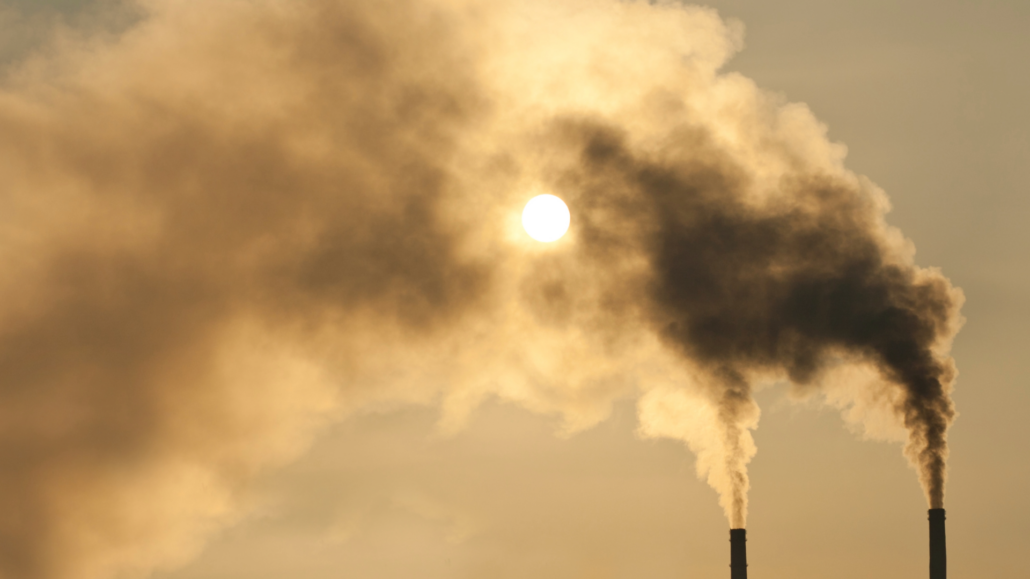
The month of September is associated with Heritage Day in South Africa, celebrated on 24 September. And you are encouraged to celebrate our diverse and rich heritage this month – visit a local museum, learn a custom from other ethnic groups, or celebrate the day with the customary braai…. But I want to move the focus to another commemoration much earlier in the month – on the 7th the international community move the spotlight to the importance of blue skies; the strive for clean air to improve the health of societies and individuals, in order to strengthen the economy and face public health challenges.
It is a well-known fact that air pollution is a significant threat to public health and globally accounts for more than 8 million premature deaths every year – as per UNEP data. With every breath we take, we suck in whatever is in the air around us – soot, soil, dust. And if that air contains tiny particles that can damage our lungs, hearts and brains, our health is affected over time – strokes, heart, lung and lower respiratory diseases, diabetes, hampering cognitive development in children and even mental health problems are linked to exposure to contaminated air.
Air pollution and climate change are furthermore closely linked as major pollutants have been confirmed to impact on the climate and most share common sources with greenhouse gases – it is therefore evident that by improving air quality, health, development and the environment will benefit.
Harmful pollutants also cause crop damage, reducing productivity, eventually jeopardizing food security.
The main harmful components are fine particles (2.5 microns) or less in diameter (PM2,5) and sulphates, ground-level ozone (a major component of smog). Other than other greenhouse gases and air pollutants, ozone is not emitted directly into the air – it forms through complex chemical reactions between other pollutants such as nitrogen oxides, methane, carbon monoxide and non-methane volatile organic compounds in the atmosphere in the presence of sunlight.
These pollutants are formed during high-temperature combustion processes such as electricity generation, industrial processes burning coal or gas and driving petrol or diesel vehicles.
It also occurs naturally in sources such
as lightning and soil particles to a lesser extent.
We also know that air pollution has no boundaries – PM2,5 can travel hundreds or thousands of kilometres. It is therefore not a localized problem.
If this is the problem, how can we take action to improve air quality? A collaborative effort is required from individuals, civil society, schools and tertiary institutions, cities and authorities.
Initiatives can include reduction of waste, cutting out single-use plastics, recycling of non-organic waste, re-use of plastic bags and not burning waste, joining awareness groups, implementing initiatives for cleaner production technologies, approval of cleaner energy processes come to name a few.
What we need to keep in mind is that we all have a responsibility to accelerate our actions for cleaner air and blue skies to protect public health, generate economic benefits and accelerate progress